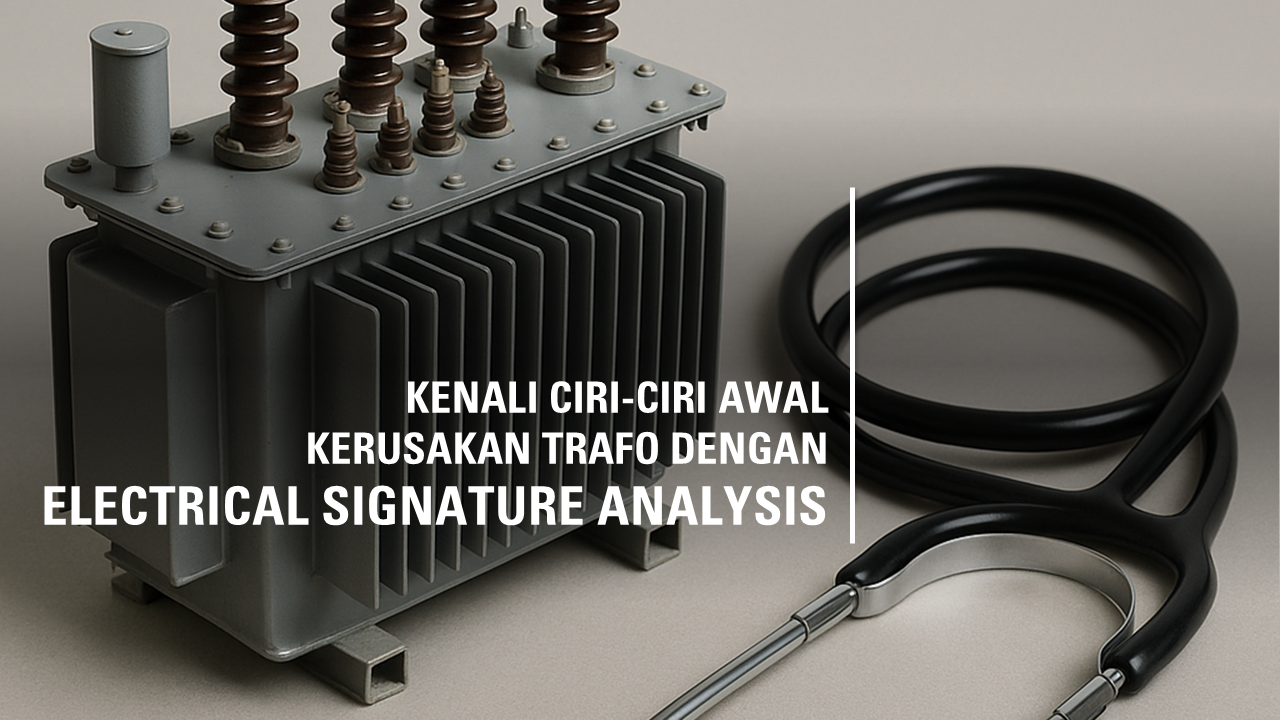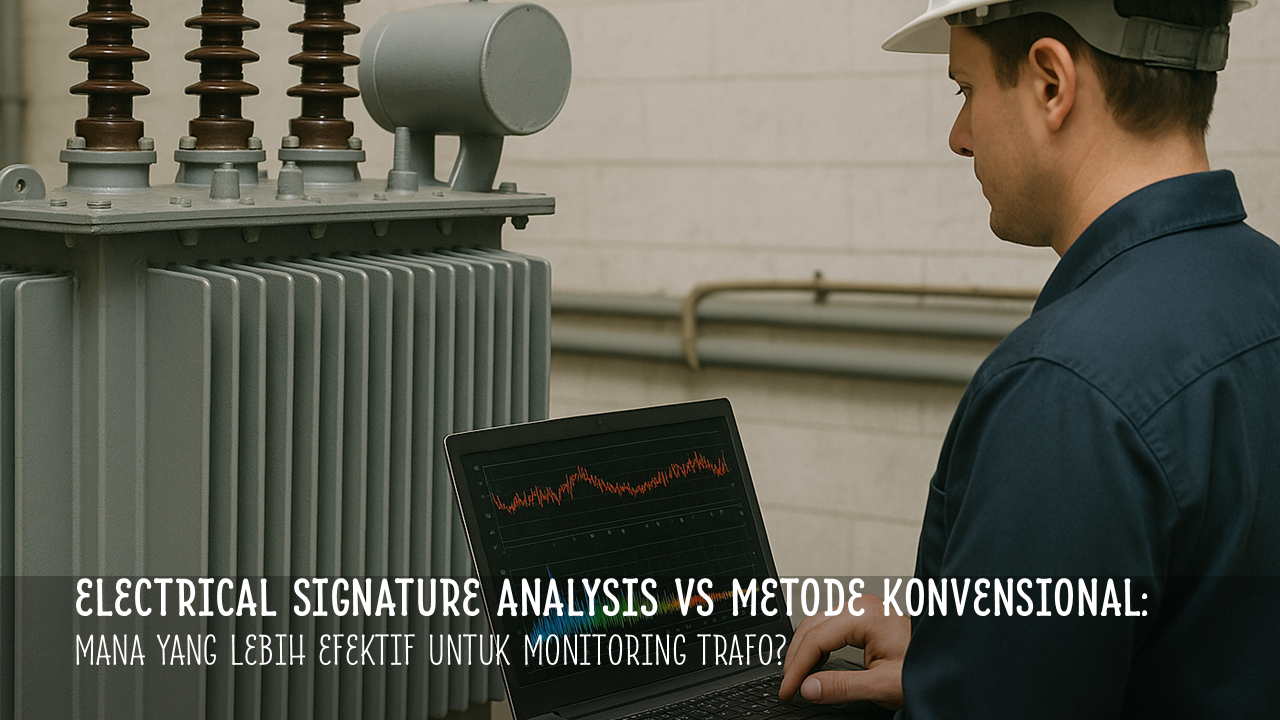
Transformers are the heart of power distribution systems in various sectors, from industry and commercial buildings to power plants. Transformer failure can cause significant operational losses, production downtime, and even safety risks. Therefore, regular transformer condition monitoring is essential.
Two common approaches to transformer condition monitoring are:
- Conventional Methods (offline and manual)
- Electrical Signature Analysis (ESA) — a modern approach based on real-time electrical data
This article will comprehensively compare these two methods to determine which is more effective in maintaining transformer reliability.
What is Electrical Signature Analysis (ESA)?
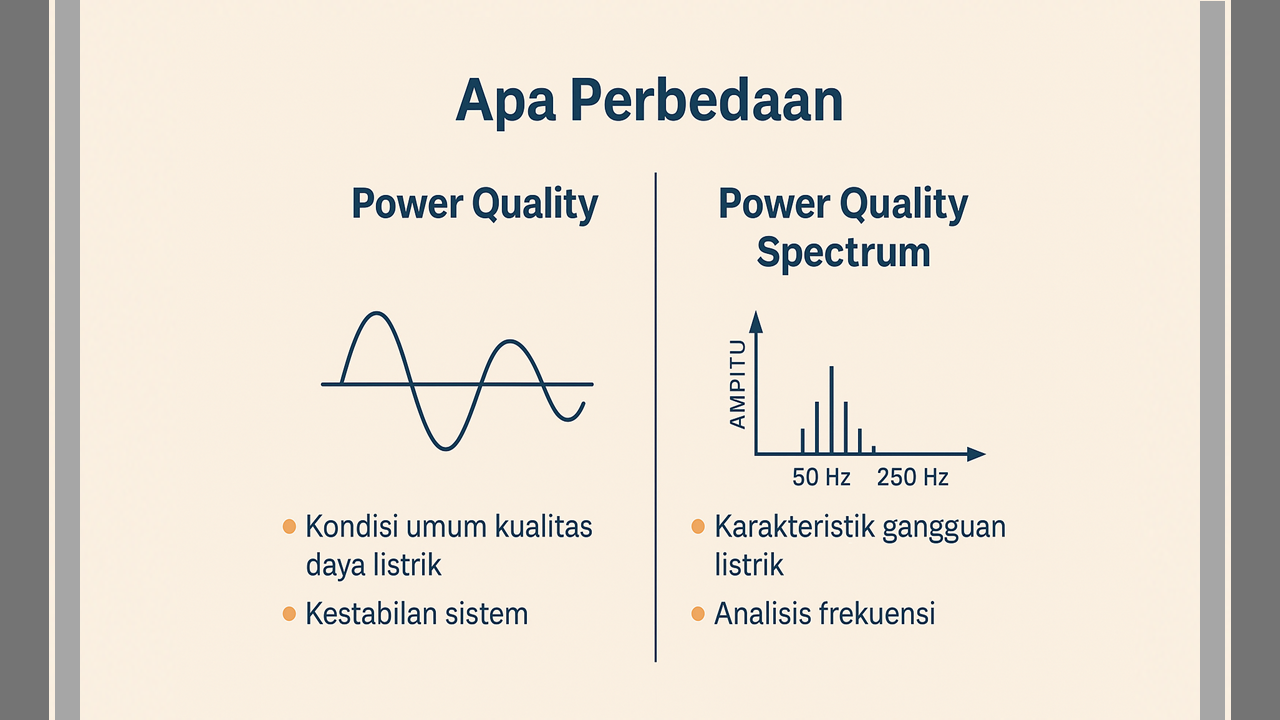
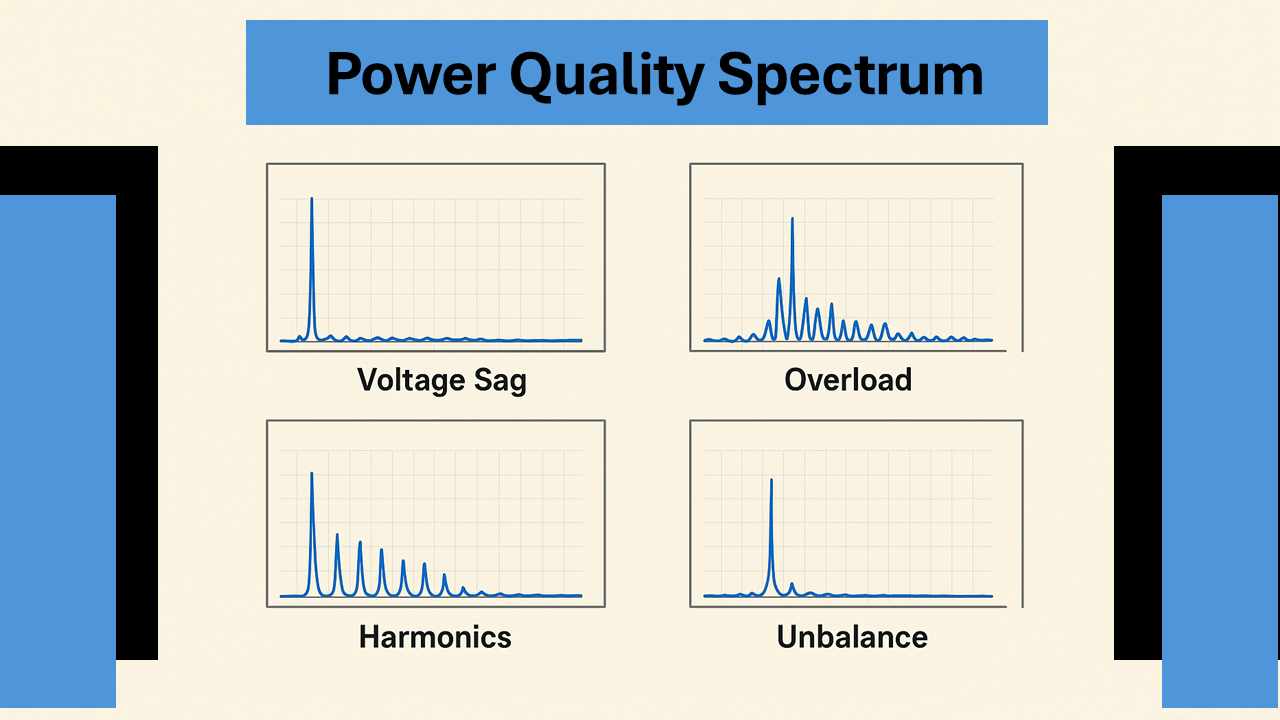
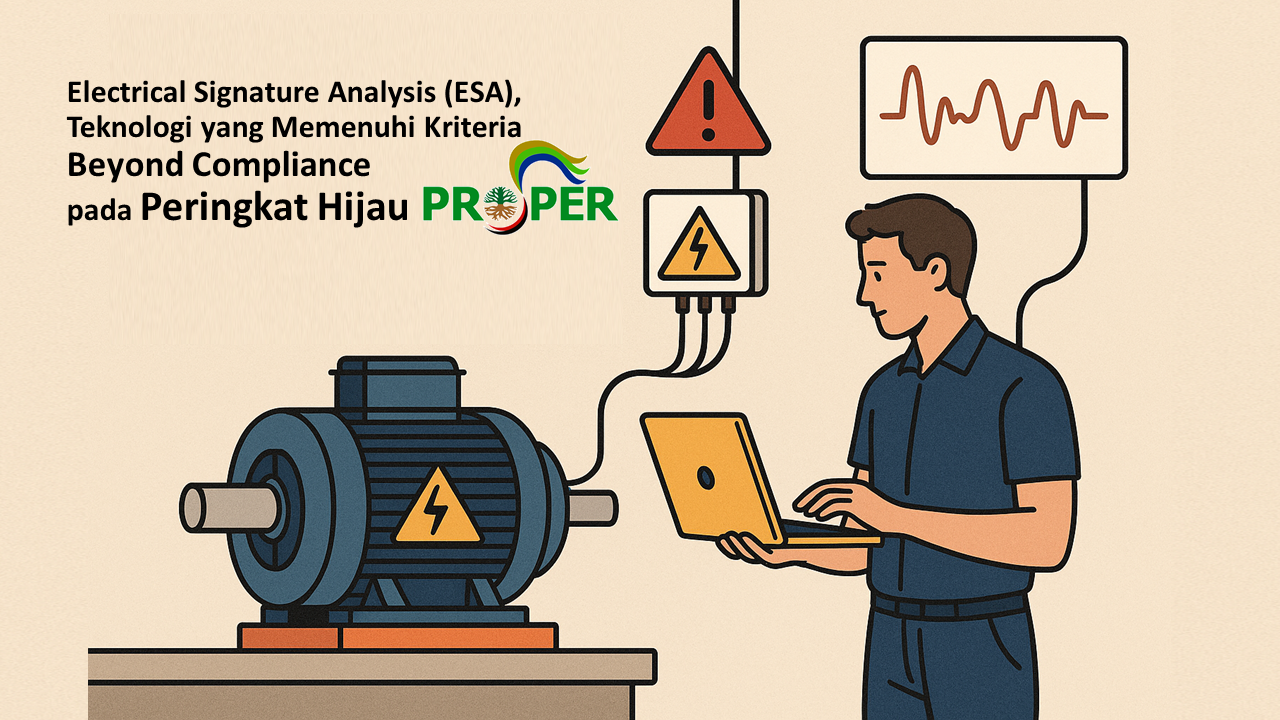
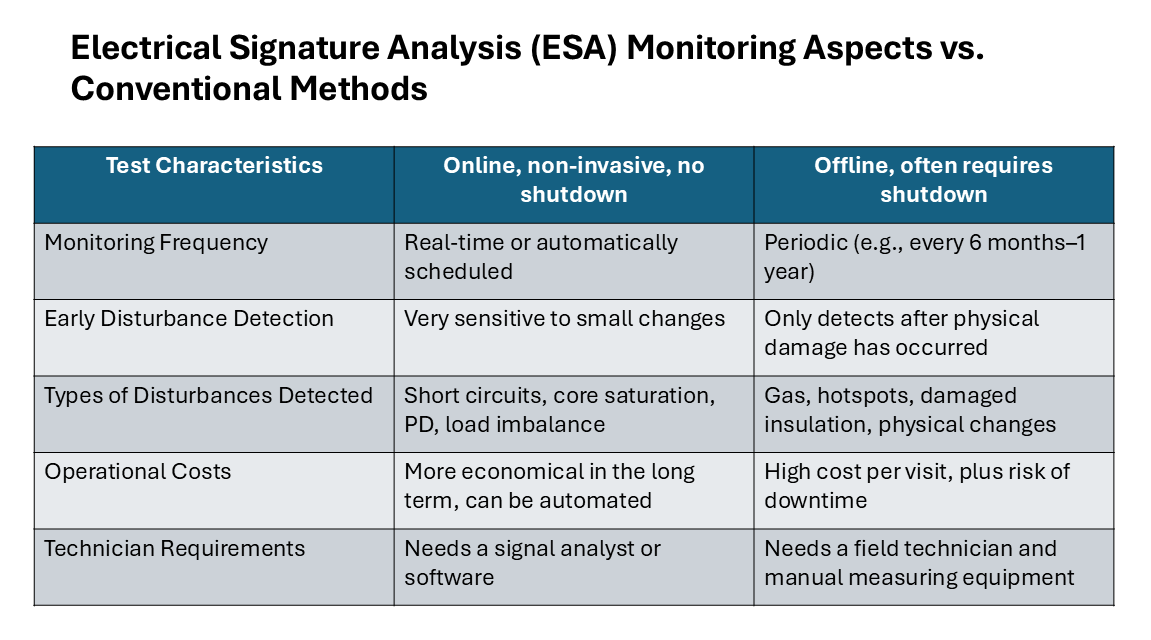
ESA is a non-invasive, online condition monitoring technique that utilizes current, voltage, harmonic, and waveform data to detect internal and external faults in transformers. ESA enables early detection of potential damage before it becomes a serious failure.
What Are Commonly Used Conventional Methods?
Several conventional transformer monitoring methods include:
- Infrared Thermography: Detects hotspots on the transformer surface
- Dissolved Gas Analysis (DGA): Detects gas caused by internal insulation damage
- Turns Ratio Test (TTR): Checks the balance of the primary and secondary windings
- Insulation Resistance Test (IR): Measures the winding insulation resistance
Comparison of ESA vs. Conventional Methods
Advantages and Disadvantages Each
ELECTRICAL SIGNATURE ANALYSIS
Advantages:
- Non-invasive and does not disrupt operations
- Early fault detection
- Can be used for predictive maintenance
- Suitable for systems operating 24/7
Disadvantages:
- Requires an understanding of electrical signal analysis
- Requires initial investment in sensors and software
CONVENTIONAL METHOD
Advantages:
- Suitable for final verification during shutdown
- Widely used, technicians are more familiar with it
- Good for detecting insulation and gas damage
Disadvantages:
- Not real-time
- Ineffective for early detection
- Risk of missing if monitoring schedules are too infrequent
Which is More Effective?
Effectiveness depends on the monitoring objectives. If you want: Early detection before damage occurs and Minimize shutdowns
Condition-based maintenance (predictive maintenance) → ESA is the superior choice.
However, if you want to perform periodic, comprehensive assessments during system shutdowns, conventional methods remain important as a complement to ESA, not a replacement.
Practical Recommendations
Ideally, electrical companies or facilities combine the two:
- Use ESA for daily monitoring
- Use conventional methods for periodic validation
This approach will result in a proactive, efficient, and safe maintenance system.
Electrical Signature Analysis offers a new paradigm in transformer monitoring—from a reactive system to a predictive one. By combining ESA technology and conventional methods, companies can maintain optimal transformer performance, prevent fatal failures, and save long-term maintenance costs.
Is your transformer system equipped with ESA?